




How to Start Your Own Skincare Brand
In an era where everyone prioritizes beauty and skincare, owning a skincare brand has become a dream for many. However, building a brand that is both well-known and successful is not as easy as it seems. You must consider numerous factors to make your products stand out in a highly competitive market. This article will provide an in-depth guide, starting from the very beginning of the brand creation process, along with secret tips on how to achieve success and build a skincare brand that is both distinctive and prosperous.
How to Start Your Skincare Brand: A Step-by-Step Guide
Creating a skincare brand involves numerous steps that require a deep understanding and careful planning. To ensure your brand succeeds and delivers high-quality products that truly meet consumer needs, aspiring entrepreneurs can start with these simple steps:
-
Begin with a Brand Concept
The foundation of any skincare brand should be a clear concept that defines its direction and identity in the market. Without a unique concept, your brand may lack differentiation and fail to attract customers. You can begin establishing your brand concept by defining the following elements:
-
- Brand Vision: Helps determine the long-term direction in which the brand will grow.
- Brand Values: Helps communicate the core principles and messages the brand wants consumers to perceive.
- Brand Goals: Defines what the brand aims to achieve in the long run, ensuring growth stays on track and is measurable.
- Unique Selling Points (USP): Identifies the key features that distinguish your brand from competitors, such as unique skincare ingredients or providing a novel experience for customers.
- Brand Credibility and Recognition: Focuses on elements that build trust and memory, such as the brand name, logo, and product design.
-
Define Your Target Audience and Brand Identity
This is a critical step in determining your marketing direction. Knowing your target audience allows you to develop and communicate products that directly address the specific needs and pain points of your customers. This focus makes your brand stand out and helps establish a stronger, more coherent brand identity. -
Market Research and Competitive Analysis
Another vital stage in building a skincare brand is studying the market and understanding your competitors. This process helps the brand identify gaps or strengths that can be utilized to differentiate itself. Market research and competitor analysis can be conducted by analyzing the following data:
-
- Key Competitors Analysis
- SWOT Analysis: Identifying the strengths and weaknesses of competitors.
- Differentiation: Finding unique factors that make your skincare brand stand out.
- Strategy Development: Refining and adjusting your brand-building strategies based on findings.
-
Product Formulation Development
This stage is paramount because the product formula defines the direction of your product and distinguishes it from others in the market. Developing a product formulation requires considering several factors:
-
- Target Audience Needs
- Selection of Ingredients and Their Efficacy
- Compatibility of Various Ingredients
- Ingredient Safety and Cleanliness of the Manufacturing Process
- Efficacy Testing and Post-Development Market Testing
-
Select Your Manufacturer (OEM/ODM)
Choosing a manufacturer is a critical step in building a skincare brand, as they play a major role in multiple areas of the business. Generally, manufacturers are categorized into two types:
-
- OEM (Original Equipment Manufacturer): This type of manufacturer produces goods according to the specific orders or formulas designed by the brand. The advantage of choosing an OEM factory is that you can control every step, from selecting ingredients to designing the packaging. It is ideal for brands that want products with unique formulas or specific characteristics.
- ODM (Original Design Manufacturer): This type of manufacturer designs the product formulas and the entire packaging to meet the brand’s needs. The brand typically chooses from pre-developed formulas or makes minor adjustments to suit market demands. ODM is suitable for those who want to launch a skincare brand quickly and do not wish to develop their own formulas.
In summary, OEM and ODM manufacturers differ in their approach. You should choose the factory that best fits your brand’s requirements. Regardless of which type you select, it is essential to choose a facility that meets international standards.
-
Registration and Legal Compliance
When building a skincare brand, a crucial step to prioritize is registration and obtaining necessary permits. This ensures that your skincare products are legally manufactured and safe for consumers. Furthermore, proper legal registration enhances your brand’s credibility and prevents potential legal issues in the future.
-
Marketing and Sales Planning
In the process of establishing a skincare brand, the step that drives sales is effective marketing and sales planning. This plays a vital role in increasing revenue and building a customer base. To succeed, you must carefully analyze your marketing strategies and determine sales channels that effectively reach your target audience, ensuring sustainable growth in the market.
-
Maintaining Standards
After launching your products, a vital step is maintaining consistent production standards and quality. This builds long-term consumer confidence and ensures that your skincare brand can grow steadily and sustainably over time.
Do You Need Knowledge of Chemistry to Start a Skincare Brand?
For those wishing to start a skincare brand, having a fundamental understanding of basic chemicals is necessary. This includes knowing the benefits and functions of various ingredients to develop products that are both safe and effective. However, deep or advanced knowledge of chemistry is not strictly required.
Furthermore, when building a skincare brand, you should prioritize the ingredients used in your products to avoid those that might cause allergic reactions or irritation. If a brand owner possesses basic chemical knowledge or understands various ingredients, it significantly increases the chances of the brand’s success.
How to Choose a Standardized Skincare Manufacturer
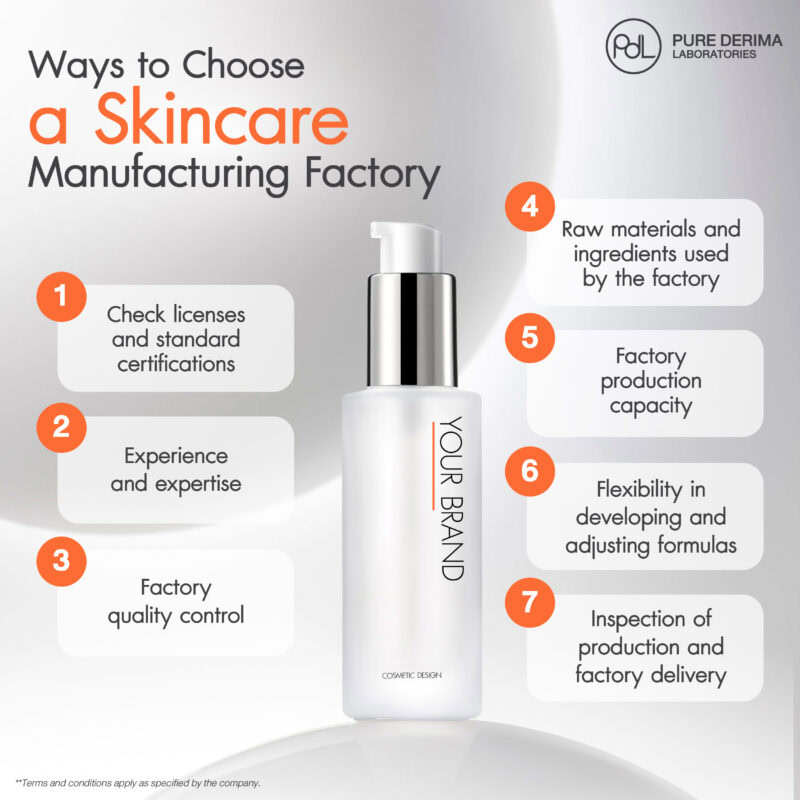
Building a credible and successful skincare brand depends on several factors, one of the most critical being the selection of a standardized manufacturer. A certified factory ensures that your skincare products are safe, effective, and instill confidence in your brand. You can evaluate a standardized skincare manufacturer based on the following factors:
- Verify Licenses and Certifications: This is a primary way to confirm that a skincare factory meets established standards, ensuring that they can produce products legally and safely. Recognized quality certifications include GMP and ISO, among others.
- Experience and Expertise: Choosing a factory with an established track record in the skincare industry helps ensure product quality. An expert manufacturer will deeply understand the intricacies and specific requirements of the production process.
- Quality Control Processes: A high-standard factory will implement quality checks at every stage—from raw material selection and production to packaging and final testing. Selecting a factory with these rigorous standards is essential.
- Raw Materials and Ingredients: You should choose a factory that uses high-quality, standardized raw materials and performs safety tests on ingredients before production. The ingredients used directly impact the quality and safety of your skincare.
- Production Capacity: It is important to consider whether the chosen factory can produce the required volume within your specified timeframe and budget.
- Flexibility in R&D and Customization: This is a vital factor for brands that wish to develop unique or niche skincare products tailored specifically to market demands.
- Production Monitoring and Delivery: This key process ensures that the products meet specified quality benchmarks and are ready for on-time delivery to your customers.
What is Skincare?
Skincare refers to products used for the face and body to nourish and maintain the skin. Its primary goals are to promote healthy, youthful, and radiant skin while preventing various issues such as acne, dark spots, redness, or dryness. Skincare comes in many forms, each offering distinct properties and benefits.
How Many Types of Skincare are There?
When building a skincare brand, it is essential to understand the different categories of products to choose those that best align with your brand’s goals. Skincare can be categorized into three main types based on their function. Each type possesses unique properties designed to address specific skin concerns. The categories are as follows:
-
Protective Skincare
This category focuses on shielding the skin from external aggressors such as sunlight and pollution, which are primary causes of skin deterioration, premature aging, and dark spots. Common products in this category include:
-
- Sunscreen: Developing a sunscreen brand is a highly attractive option because consumers prioritize UV protection. Sunscreens shield the skin from UV rays, the main culprits behind wrinkles, melasma, freckles, and various dark spots.
- Moisturizers: Moisturizers are popular among consumers who value skin health and convenience, particularly those with dry skin. They are vital for providing hydration, preventing water loss, and strengthening the skin barrier.
- Pollution Protectors (Serums or Sprays): These products are typically used before or after makeup to protect the skin from dust, smoke, and pollutants that cause skin degradation. This type of skincare is increasingly in demand among urban dwellers or those living in high-pollution environments.
- Antioxidant Creams or Serums (Antioxidant Skincare) This type of skincare is another essential product category that protects the skin from deterioration and reduces the future formation of wrinkles. It helps maintain a radiant complexion and minimizes the appearance of dark spots. Protective skincare products effectively address consumer needs and create market differentiation for those seeking strong, healthy skin in the long term.
-
Nourishing Skincare
As people pay more attention to skincare today, demand for products that focus on nourishing and restoring the skin has increased significantly. This product group caters exceptionally well to consumers who desire healthy, resilient skin over the long term. Nourishing skincare is commonly manufactured in the following forms
-
- Eye Cream This is a highly compelling product category, as modern consumers are increasingly focused on caring for the delicate eye area, which is prone to fine lines and dryness. Eye creams typically function to both protect and nourish this sensitive region, targeting wrinkles and dehydration.
- Nourishing Serums These are popular staples in the skincare market due to their exceptional ability to provide deep nourishment and skin restoration. Nourishing serums generally feature a lightweight texture with highly concentrated ingredients that act faster than standard creams. They are specifically formulated to penetrate deeply into the skin to effectively resolve targeted skin concerns.
- Face Creams This skincare category is widely popular due to its ability to provide direct and specific solutions to various skin issues.
- Creams for Dry Skin Dry skin nourishing creams are designed to lock in moisture for longer periods. They typically contain ingredients that help restore the skin while preventing water loss, reducing roughness, and strengthening the skin’s natural barrier.
-
Healing and Corrective Skincare
Healing or corrective skincare is designed to restore skin affected by various issues, such as irritation, redness, peeling, and acne. Most products in this category contain ingredients that soothe the skin, reduce inflammation, and promote natural skin repair. These functional properties make them highly popular among consumers seeking specific skin solutions.
-
- Acne Treatment Products These skincare products are specifically designed to reduce and manage acne issues while restoring the skin’s strength and balance. They help improve skin texture and enhance overall skin health.
- Moisturizers In a corrective context, moisturizers are produced to boost skin hydration and maintain the water balance in the outer skin layers. This results in smooth, soft, healthy, and elastic skin.
- Corrective Serums Corrective serums focus directly on resolving specific skin concerns, such as reducing dark spots, redness from acne, or treating breakouts. Since these serums typically penetrate deeper into the skin layers than standard lotions or creams, they have become an increasingly popular choice for consumers looking for effective targeted treatments.
-
- Anti-inflammatory Products Anti-inflammatory products are skincare solutions designed to reduce inflammation and skin irritation. They focus on soothing the skin, typically utilizing ingredients that alleviate soreness and restore the skin to a healthy state once again.
- Sunscreens for Healing Skin Sunscreen for recovering skin is specifically designed for weak or sensitive skin types, such as skin undergoing acne treatment or post-laser recovery. The highlight of this product category is its ability to protect the skin from UV radiation while remaining gentle, safe, and supportive of the skin’s healing process.
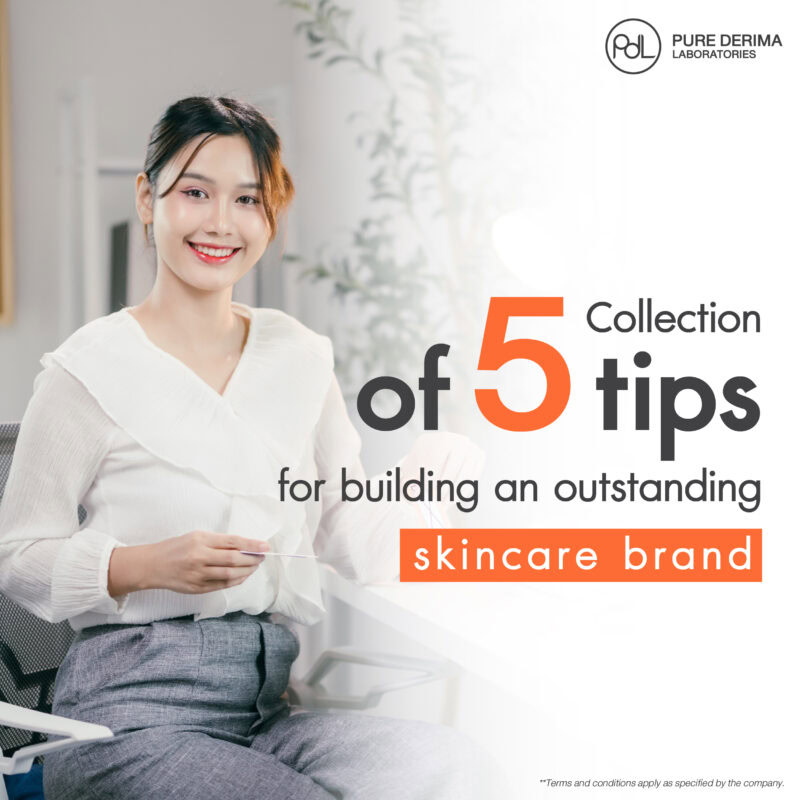
5 Tips for Making Your Skincare Brand Stand Out
Creating a distinctive and successful skincare brand requires a combination of several factors, ranging from defining your target audience and selecting raw materials to packaging design and strategic marketing. To effectively reach your target goals, here are 5 tips for making your skincare brand stand out:
- In-Depth Customer Analysis: Conducting a detailed analysis allows the brand to develop skincare products that truly meet the specific needs and desires of consumers.
- Creating Brand Differentiation: In a highly competitive market, differentiation helps a skincare brand stand out and fulfill customer requirements that cannot be found in other brands.
- Establishing a Unique Brand Identity: Creating a distinct identity makes the brand memorable in the market. This can be achieved through various methods, such as the logo, color palette, brand imagery, and messaging, allowing customers to recognize the brand easily.
- Sound Strategic Marketing Planning: A well-crafted marketing plan builds brand credibility, stimulates sales, and ensures healthy revenue and long-term growth.
- Continuous Product Improvement and Development: Consistently refining products helps the brand effectively respond to ever-changing customer demands. This ensures the skincare products remain prominent in the market and stay competitive in the long run.
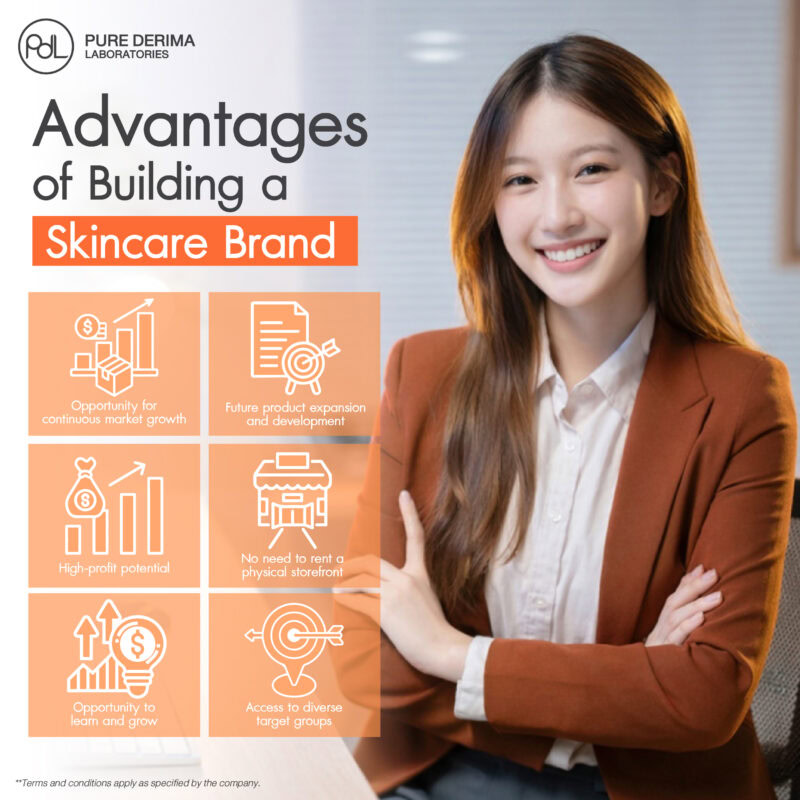
Advantages of Starting a Skincare Brand
Building a skincare brand presents a significant opportunity for business creation and offers several benefits if planned and developed carefully. The advantages of starting a skincare brand include:
- Consistent Market Growth Opportunities: The skincare industry offers continuous potential for growth in the ever-evolving beauty market.
- High Profit Potential: Compared to other consumer goods, skincare brands have the potential for high profit margins, provided the products are distinctive and effectively meet customer needs.
- Future Product Expansion and Development: Establishing a skincare brand provides a foundation for expanding and evolving your product lines in the future.
- No Physical Storefront Required: Starting a skincare brand does not require renting retail space, as products can be distributed entirely through online channels.
- Access to Diverse Target Audiences: Skincare can reach a wide range of consumers, as it is a necessity used by people of all ages and genders.
- Opportunities for Learning and Professional Growth: Building a brand allows for extensive growth in various business areas, including marketing, manufacturing, and business management.
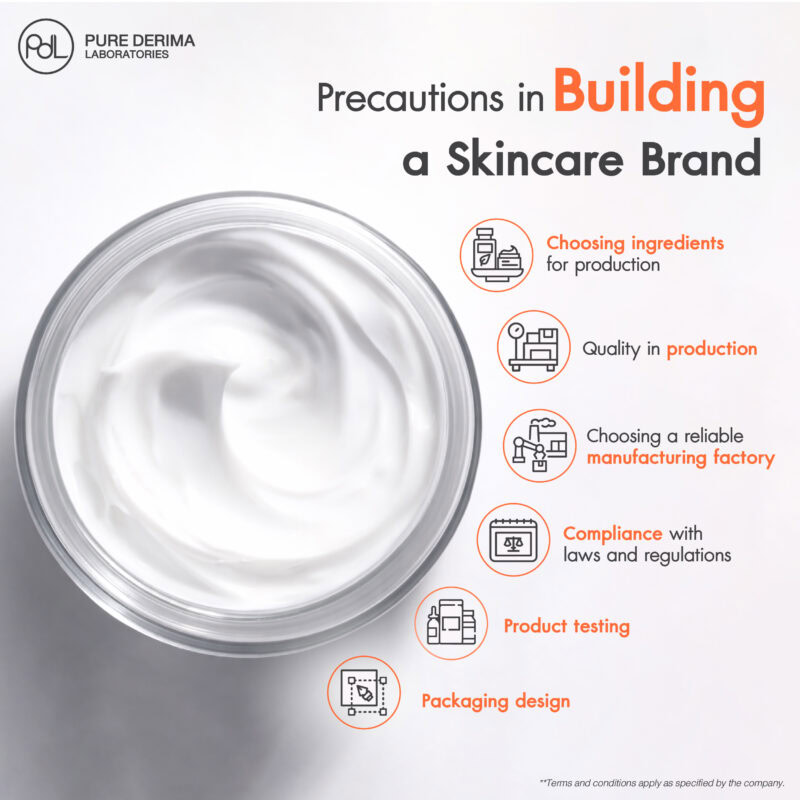
Precautions When Starting a Skincare Brand
Building a skincare brand involves several risks that must be carefully considered to avoid future issues regarding consumer safety and business operations. Here are the key precautions to keep in mind:
- Careful Ingredient Selection: You must be extremely cautious when choosing raw materials. Avoid hazardous substances that could cause allergic reactions. Manufacturers should only use ingredients that have been tested and certified.
- Consistency in Production Quality: Maintaining production quality is vital to ensure that every single lot of your product meets the same high standards of quality and safety.
- Choosing a Reliable Manufacturer: It is essential to select a factory that is trustworthy, experienced, and internationally certified to guarantee product safety.
- Strict Legal Compliance: Adhering strictly to laws and regulations serves as a guarantee of safety for your consumers.
- Product Testing Before Sale: Testing your products before they reach the market is absolutely necessary to assess whether they might cause skin irritation.
- Thorough Packaging Design: Careful packaging design is important not only for aesthetics and attraction but also for ensuring the safety and integrity of the product inside.
Successfully building a skincare brand is not just about creating an effective product; it requires meticulous planning, differentiation, and the ability to adapt to changing market demands. Your brand must be unique, safe, and credible. Furthermore, you must be cautious in many areas, particularly in selecting a standardized manufacturing facility.
If you are an entrepreneur looking to start your own brand and are searching for a standardized, experienced skincare manufacturer, you can consult and plan your production at Pure Derima Laboratories (PDL). With extensive experience in manufacturing skincare and cosmetics and international certifications such as ISO and GMP, you can rest assured that every product we manufacture is safe and compliant with global standards. We ensure every item is highly effective and safe, ready for you to distribute to the market with total confidence.
